
09 Jan Smart Fire Protection in 2026: How to Integrate New Technology with Your Existing Systems (Without the Headaches)
Fire protection technology has evolved rapidly, and 2026 brings exciting opportunities for WA businesses to upgrade their systems without starting from scratch. The good news? You don't need to rip out everything and start over. Smart integration lets you enhance your existing fire protection while staying compliant and keeping costs manageable.
Why Integration Beats Complete Replacement
Many property owners assume that adopting new fire protection technology means completely overhauling their current systems. This misconception can delay important safety upgrades and create unnecessary expenses. Modern fire protection solutions are designed to work alongside existing infrastructure, creating hybrid systems that deliver advanced capabilities without the disruption of full replacement.
Integration offers several key advantages. Your current investment in fire protection equipment retains value while gaining smart capabilities. Building compliance becomes easier to maintain since you're enhancing rather than replacing approved systems. Most importantly, your business operations continue uninterrupted during the upgrade process.
Key Technologies Transforming Fire Protection
AI-Powered Detection Systems
Artificial intelligence has revolutionized how fire detection works. Modern AI systems analyze patterns from multiple sensors simultaneously, dramatically reducing false alarms while improving response times. These systems learn your building's normal patterns: understanding when equipment typically runs hot or when cooking areas generate expected smoke.
Machine learning algorithms continuously adapt to your environment. A system installed in a manufacturing facility will learn the difference between normal production processes and genuine fire threats. This intelligent analysis means fewer disruptions from false alarms while maintaining the highest level of protection.
IoT Connectivity and Smart Networks
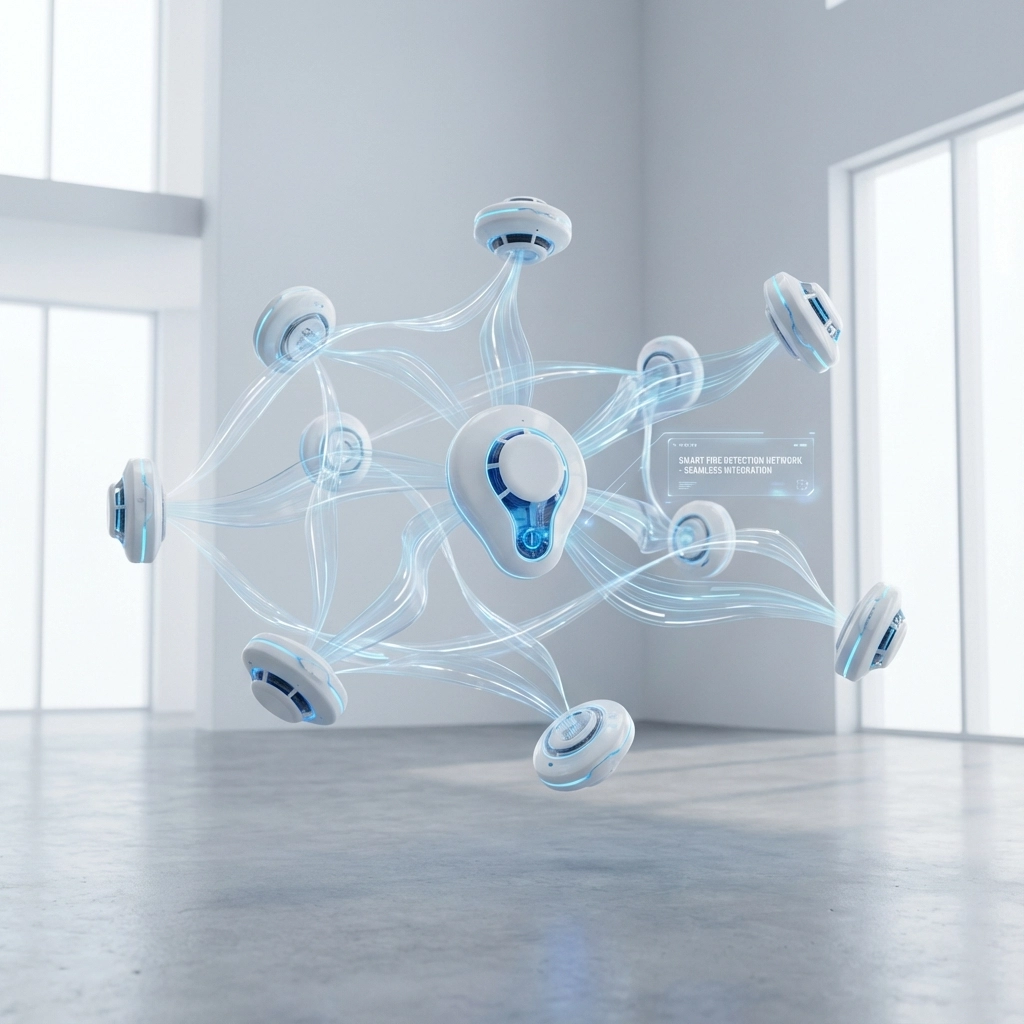
Internet of Things (IoT) technology creates networks where all your fire protection components communicate with each other. Smart sensors share real-time data through centralized platforms accessible from your smartphone or computer. This connectivity transforms isolated fire protection devices into an integrated safety ecosystem.
IoT-enabled systems provide continuous health monitoring of all components. Instead of waiting for quarterly inspections to identify issues, you receive alerts when maintenance is needed. This predictive approach prevents system failures and ensures your fire protection remains reliable.
Practical Integration Strategies for WA Businesses
Start with Centralized Dashboard Management
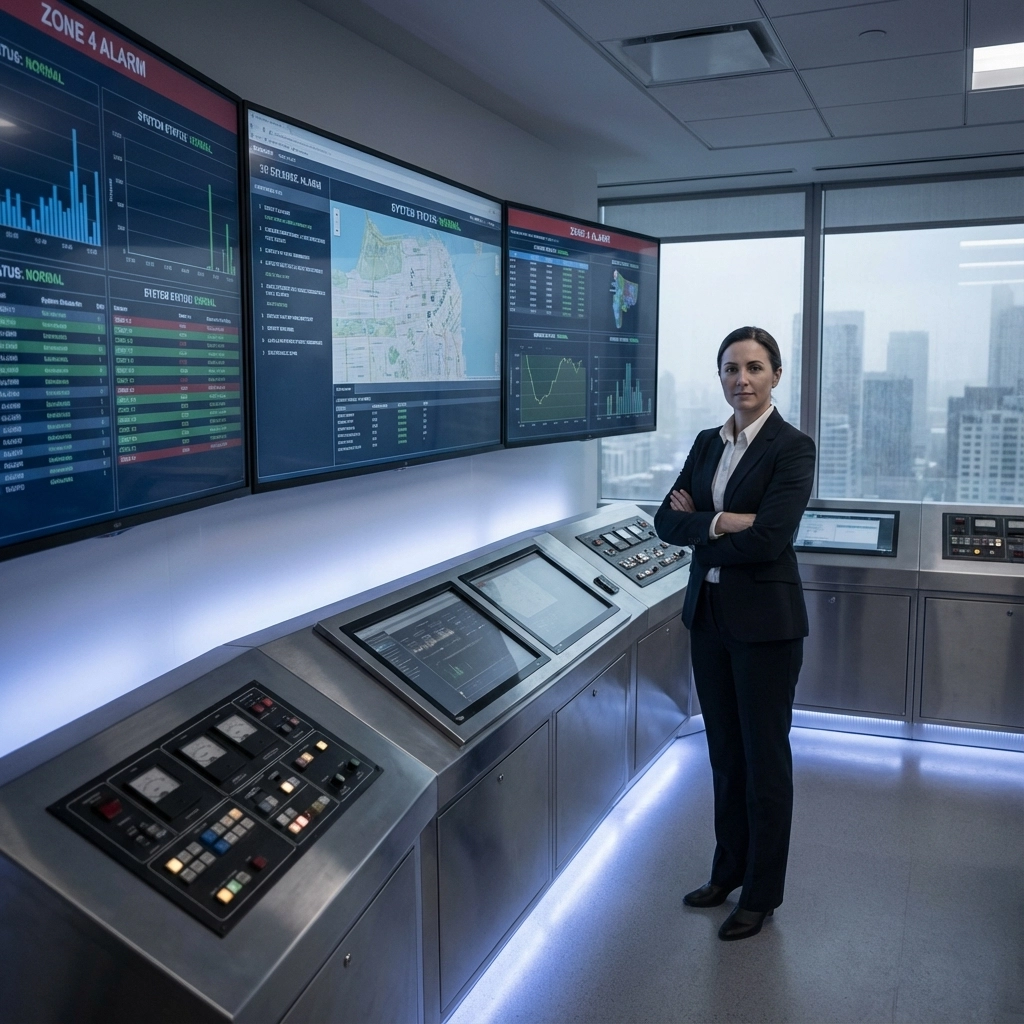
The most impactful first step is implementing a centralized monitoring system. This consolidates all your fire protection elements: alarms, emergency lighting, suppression systems: into a single control point. Property managers can monitor entire facilities from one interface, dramatically improving response capabilities.
Modern dashboards provide real-time status updates for every component. You'll know instantly if a detector needs maintenance, if emergency lighting batteries are low, or if water pressure drops in your sprinkler system. This visibility transforms fire protection from reactive maintenance to proactive management.
Wireless Sensors and Modular Additions
Today's smart fire protection systems use wireless technology that integrates seamlessly with existing wired systems. Wireless sensors can be added to areas where running new cables would be difficult or expensive. These sensors communicate with your main control panel while expanding coverage to previously challenging locations.
Modular components allow gradual system enhancement. You might start by upgrading detection in critical areas, then expand to include smart suppression controls, and eventually add advanced evacuation management. This phased approach spreads costs over time while immediately improving safety where it matters most.
Automated Response Coordination
Smart integration enables automatic coordination across building systems. When fire detection occurs, integrated networks can simultaneously trigger sprinkler activation, unlock emergency exits, control ventilation systems, and guide evacuation procedures. Emergency responders receive real-time updates about the situation before they arrive on-site.
This coordination extends beyond fire-specific systems. Smart networks can integrate with access control, lighting, and HVAC systems to optimize emergency response. Elevators automatically return to ground floors, emergency lighting activates along evacuation routes, and ventilation systems work to contain smoke spread.

Building Compliance Made Easier
Fire system compliance in Western Australia requires regular inspections, maintenance documentation, and system performance verification. Smart fire protection systems simplify compliance through automated reporting and continuous monitoring capabilities.
Digital documentation replaces manual logbooks, creating comprehensive records that satisfy regulatory requirements. Inspection data uploads automatically to cloud-based systems, making it easily accessible for compliance audits. System performance data provides clear evidence that your fire protection meets required standards.
Predictive maintenance capabilities help prevent compliance issues before they occur. Smart systems alert you when components need attention, ensuring maintenance happens on schedule. This proactive approach prevents the compliance gaps that can occur when traditional systems fail between inspection periods.
Future-Proofing Your Investment
Fire safety regulations continue evolving, and smart systems adapt to changing requirements more easily than traditional installations. Software updates can modify system behavior to meet new standards without hardware replacement. This adaptability protects your investment while ensuring ongoing compliance.
Modern systems support remote monitoring and diagnostics, making professional maintenance more efficient. Technicians can often identify and resolve issues remotely, reducing service costs and minimizing disruption to your operations.

Cost Considerations and ROI
Smart fire protection integration typically costs 30-50% less than complete system replacement while delivering significant operational benefits. Insurance providers often offer premium reductions for properties with advanced fire protection systems, helping offset upgrade costs.
Energy efficiency improvements contribute to ongoing savings. Smart systems optimize suppression system pressure, reduce false alarm responses, and enable more efficient maintenance scheduling. These operational improvements create measurable returns on your technology investment.
Reduced downtime from false alarms provides substantial business value. Traditional systems might trigger evacuations several times per year due to false alarms. Smart detection significantly reduces these disruptions, keeping your business operations running smoothly.
The total cost of ownership for smart systems is typically lower than traditional installations. Predictive maintenance prevents expensive emergency repairs, extended component life reduces replacement costs, and improved system reliability minimizes business interruption.
Getting Started with Your Integration
Begin by assessing your current fire protection infrastructure. Professional evaluation identifies which components can be enhanced versus those requiring replacement. This assessment guides your integration strategy and budget planning.
Prioritize high-impact, low-disruption upgrades first. Centralized monitoring systems often provide immediate benefits with minimal installation complexity. Wireless sensor additions can enhance coverage in critical areas without major construction work.

Work with certified fire protection professionals who understand both traditional and smart systems. Proper integration requires expertise in both technologies to ensure seamless operation and maintained compliance. Professional installation ensures your integrated system operates reliably and meets all regulatory requirements.
Consider your growth plans when designing integration strategies. Smart systems can expand easily as your facility needs change. Planning for future expansion during initial integration prevents costly retrofitting later.
Moving Forward with Confidence
Smart fire protection integration in 2026 offers WA businesses the opportunity to significantly enhance safety without the complexity and cost of complete system replacement. Modern technology works with your existing infrastructure, creating intelligent networks that improve protection while simplifying management.
The key to successful integration lies in understanding your current systems, choosing appropriate technologies, and working with experienced professionals. Start with high-impact improvements like centralized monitoring, then gradually expand capabilities as budget and needs dictate.
Smart fire protection isn't just about adopting new technology: it's about creating safer, more efficient buildings that protect people and property while reducing operational complexity. With proper planning and professional guidance, your integration project can deliver immediate benefits while positioning your facility for future safety requirements.
Ready to explore smart fire protection integration for your WA property? Professional assessment helps identify the best opportunities for your specific situation while ensuring compliance and maximizing your investment value.
Sorry, the comment form is closed at this time.