
09 Jan How to Budget for 2026: A Property Owner’s 5-Step Guide
If you're a property owner in Western Australia, you've probably heard whispers about the upcoming fire safety regulation changes rolling out in 2026. While change can feel overwhelming, getting ahead of these requirements doesn't have to break the bank or give you sleepless nights.
The key is smart planning, and that's exactly what we're here to help you with. Whether you manage a single commercial property or oversee multiple buildings, this guide will walk you through budgeting for compliance in a way that makes sense for your wallet and timeline.
Step 1: Understand What Actually Applies to Your Property
Before you start panicking about costs, let's get clear on what you're actually dealing with. Not every regulation applies to every building type, and understanding your specific requirements is the foundation of smart budgeting.
Start with these key questions:
- What's your building classification? (Class 1, 2, 3, etc.)
- When was your property built or last renovated?
- Are you in a bushfire-prone area?
- Do you have existing fire systems that need upgrading?
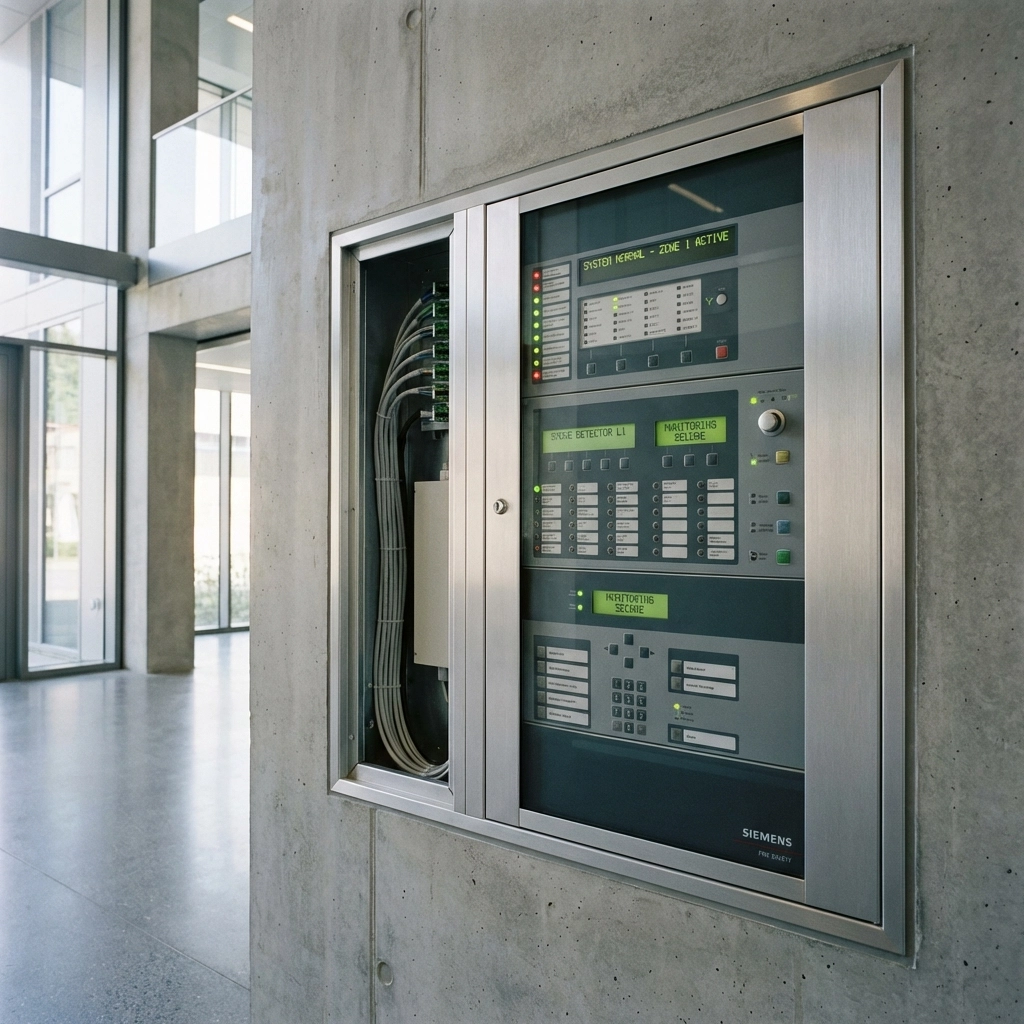
The 2026 updates focus heavily on improved fire detection systems, enhanced emergency lighting, updated evacuation procedures, and stricter compliance monitoring. For many WA properties, this means potential upgrades to fire alarm systems, emergency lighting, fire doors, and evacuation signage.
Pro tip: Don't guess at your requirements. Get a professional fire safety assessment from certified specialists who can give you the exact scope of work needed. This upfront investment of a few hundred dollars can save you thousands by ensuring you only budget for what's actually required.

Step 2: Break Down Your Costs by Priority and Impact
Once you know what needs to be done, it's time to prioritise based on both regulatory deadlines and your budget capacity. Think of this as a triage approach – some items are urgent, others can wait.
High Priority (Must-Do Items):
- Fire alarm system upgrades or replacements
- Emergency lighting compliance
- Fire door maintenance and certification
- Essential safety measure (ESM) updates
Medium Priority (Important but Flexible Timing):
- Evacuation diagram updates
- Staff training programs
- Fire extinguisher relocations or additions
- Signage improvements
Lower Priority (Nice-to-Have or Long-term):
- Comprehensive system integrations
- Advanced monitoring systems
- Aesthetic improvements to safety equipment
For most commercial properties, you're looking at anywhere from $5,000 to $50,000 depending on your building size and current compliance status. Residential properties typically face lower costs, often under $10,000 for most compliance updates.
Budget breakdown example for a mid-sized commercial property:
- Fire alarm system upgrade: $15,000-25,000
- Emergency lighting compliance: $3,000-8,000
- Fire door certification and repairs: $2,000-5,000
- Professional compliance assessment: $500-1,500
Step 3: Explore Funding Options and Cost-Saving Strategies
Here's where smart property owners separate themselves from the pack. There are legitimate ways to reduce your compliance costs without cutting corners on safety.
Government incentives and grants:
WA businesses may be eligible for various safety improvement grants through the Department of Mines, Industry Regulation and Safety. While specific 2026 compliance grants are still being finalised, it's worth checking for general workplace safety funding that might cover fire protection upgrades.
Insurance considerations:
Many insurers offer premium reductions for properties with upgraded fire safety systems. A conversation with your insurance provider about potential savings can help offset upgrade costs. Some insurers even provide rebates for proactive compliance work completed ahead of deadlines.
Cost-effective compliance strategies:
- Bundle multiple properties for group discounting with contractors
- Schedule work during off-peak seasons for better rates
- Consider phased installations to spread costs over time
- Maintain existing systems properly to extend their compliance life

Step 4: Create a Realistic Timeline and Payment Plan
Rushing into compliance work at the last minute is a recipe for inflated costs and stress. Smart budgeting means spreading your expenses strategically.
Recommended timeline approach:
- Early 2026: Complete professional assessments and get quotes
- Mid-2026: Begin high-priority upgrades
- Late 2026: Complete remaining work well ahead of deadlines
- Early 2027: Final inspections and certifications
This approach gives you negotiating power with contractors, ensures availability of specialists, and allows you to address any unexpected issues without panic spending.
Payment planning options:
Many fire protection companies, including specialist providers, offer payment plans for larger compliance projects. This can help you maintain cash flow while ensuring timely compliance. Ask about:
- Progress payment schedules tied to project milestones
- Extended payment terms for multiple properties
- Package deals that include ongoing maintenance
Don't forget to factor in ongoing costs. Compliance isn't a one-time expense – you'll have annual testing, maintenance, and potential future upgrades to consider in your long-term property budget.
Step 5: Monitor, Document, and Stay Ahead of Changes
The regulations landscape continues to evolve, and staying informed is part of smart budgeting. This step is about building systems that keep you compliant and prepared for future changes.
Documentation is your friend:
Keep detailed records of all compliance work, including:
- Installation certificates and warranties
- Inspection reports and test results
- Maintenance schedules and completed work
- Training records for staff
This documentation protects you during inspections and helps you plan future budgets based on actual equipment lifecycles and maintenance needs.
Building relationships with reliable specialists:
Finding trustworthy fire protection specialists isn't just about getting the current work done – it's about building a relationship that serves you long-term. Look for companies that offer comprehensive services including installation, maintenance, and compliance support.
Staying informed about future changes:
Subscribe to updates from relevant authorities and industry bodies. Join property owner associations where compliance topics are discussed. The more you know about coming changes, the better you can budget for them.

Making Compliance Work for Your Bottom Line
Here's the thing about fire safety compliance – it's not just about avoiding fines or meeting legal requirements. Well-maintained fire protection systems can actually add value to your property, reduce insurance costs, and give tenants confidence in your building.
Smart property owners are already:
- Budgeting 2-3% of their property value annually for safety upgrades and maintenance
- Building compliance costs into rental increases where legally permissible
- Using upgraded fire systems as a marketing advantage for quality tenants
- Planning major renovations to coincide with compliance upgrades for efficiency
Your Next Steps
The 2026 fire safety regulations don't have to be a financial burden if you plan smart and act early. Start with a professional assessment to understand exactly what you're dealing with, then build a realistic budget and timeline that works for your situation.
Remember, the goal isn't just compliance – it's protecting your investment, your tenants, and your peace of mind. With the right approach and reliable specialists supporting you, meeting these new requirements can be straightforward and cost-effective.
Ready to get started on your compliance planning? The earlier you begin, the more control you have over costs and timing. Don't wait until 2026 to start thinking about this – the property owners who plan ahead are the ones who'll navigate these changes most successfully.
Sorry, the comment form is closed at this time.